
Why New Year’s resolutions rarely work (and what to do instead)
 16 Feb 2026 • 3 min
Every January, the same pattern shows up. People set ambitious goals. Motivation is high. Intentions are good. And by February… most of it disappears. This isn’t a willpower issue. It’s a goal-setting problem.
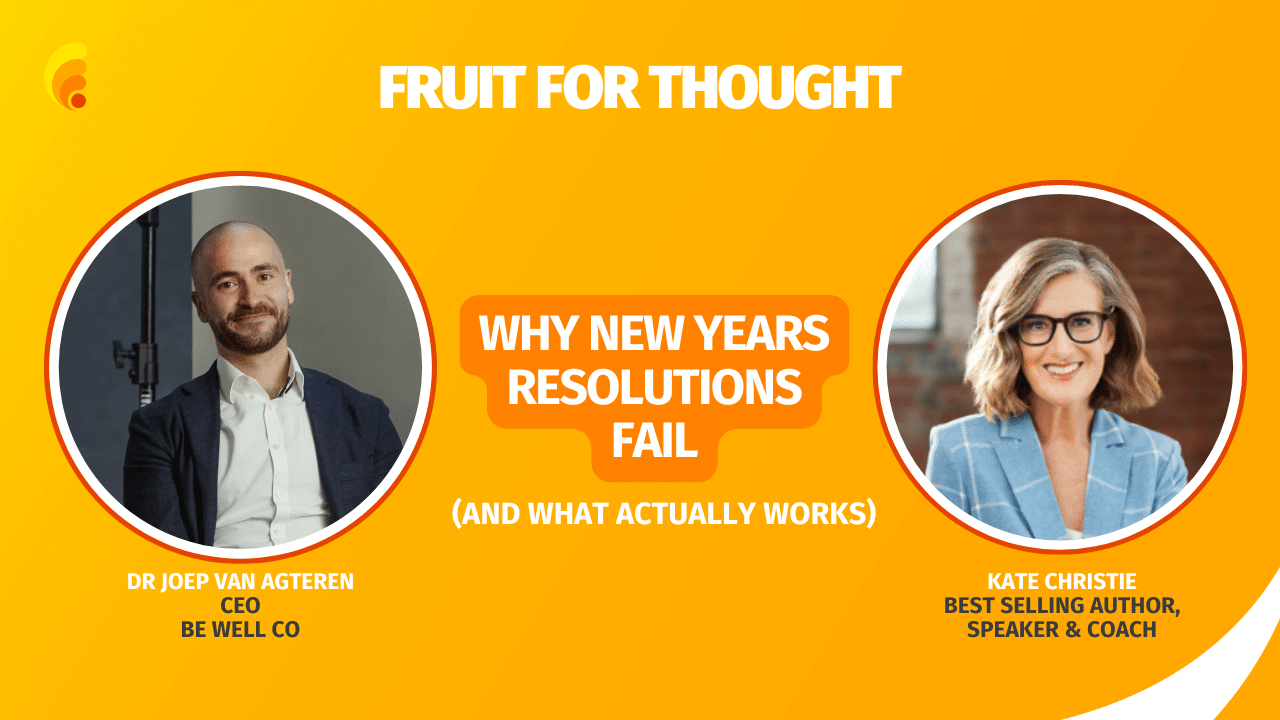
At Be Well Co, we spend a lot of time translating wellbeing science into practical tools people can actually use. One of the most common friction points we see, both at work and in life, is how people approach goals. Recently, as part of our Fruit for Thought webinar series, Be Well Co hosted a conversation with Kate Christie, author of The Life List, exploring why traditional New Year’s resolutions often set people up for frustration, and what works better instead.
The discussion highlighted several practical and evidence-aligned shifts that can make goals feel more realistic, flexible, and sustainable.
Below are some of the key themes that emerged from that conversation. If you’d like to read insights from the host or watch the full recording for free, visit our Substack here.
1. Stop deferring change to “later”
A common trap in goal-setting is delay.
I’ll start next week.
Once things calm down.
After this busy period.
Unless you’re genuinely at capacity, deferring action usually reinforces avoidance rather than readiness. Small changes are more effective when they start in the moment, not at a mythical future point where life becomes easier.
Progress isn’t about dramatic leaps. It’s about reducing friction to start.
2. Focus less on outcomes, more on conditions
Outcome-based goals sound motivating, but they often backfire.
“Lose 30kg.”
“Clear my inbox every day.”
“Be more productive.”
What tends to work better is focusing on why the change matters and what conditions support it.
Instead of chasing a number or endpoint, ask:
-
What does “healthy” look like in my daily life?
-
What work practices support better focus or energy?
-
What systems make learning or growth realistic right now?
This shift makes goals more adaptable, especially when life inevitably gets in the way.
3. Act immediately, even in tiny ways
When a goal-aligned thought appears, acting on it (even minimally) matters.
That might look like:
-
Setting a reminder
-
Writing one note
-
Booking time in a calendar
-
Identifying the first micro-step
Responding to intention with action helps train follow-through. Over time, it becomes the default response rather than the exception.
4. Use a guiding word, not a rigid target
Some people find it helpful to choose a word that reflects how they want to show up, rather than what they want to achieve.
Words like calm, confident, steady, or proud can act as behavioural filters:
“Does this choice align with how I want to feel or function?”
This approach offers direction without pressure, especially useful when circumstances change.
5. Expect self-doubt (and plan for it)
Negative self-talk isn’t a sign you’re doing something wrong. It’s predictable.
Rather than trying to silence it completely, it’s more effective to:
-
Anticipate the thoughts that might show up
-
Name them early
-
Decide how you’ll respond when they do
Planning for friction makes it easier to stay engaged when motivation dips.
6. Accept fluctuating motivation
Motivation isn’t consistent and it doesn’t need to be.
For many people, accountability works better than inspiration. Involving someone else, setting shared expectations, or using light social pressure can support follow-through when internal drive fades.
Designing goals around human behaviour (not ideal behaviour) is what makes them stick.
Want to go deeper?
In our Fruit for Thought session, we explored these ideas in more depth, including:
-
A live conversation with an expert guest
-
Practical examples from professional practice
-
A downloadable action sheet for applying these principles
We share posts like this, along with video recordings and practical tools on our Substack.
Want to Read More?
Wellbeing
Why New Year’s resolutions rarely work (and what to do instead)
Every January, the same pattern shows up. People set ambitious goals. Motivation is high. Intentions are good. And by February… most of it disappears. This isn’t a willpower issue. It’s a goal-setting problem. At…
16 Feb 2026 3 min read
 Wellbeing, Workplace
Creating psychologically safe teams
Why Psychological Safety matters and how we build it together Based on Be Well Co’s “Psychological Safety for leaders” workshop Psychological safety has become one of the most important foundations of healthy, high-performing teams….
18 Nov 2025
 Wellbeing, Workplace
What does wellbeing that actually works (at work) look like?
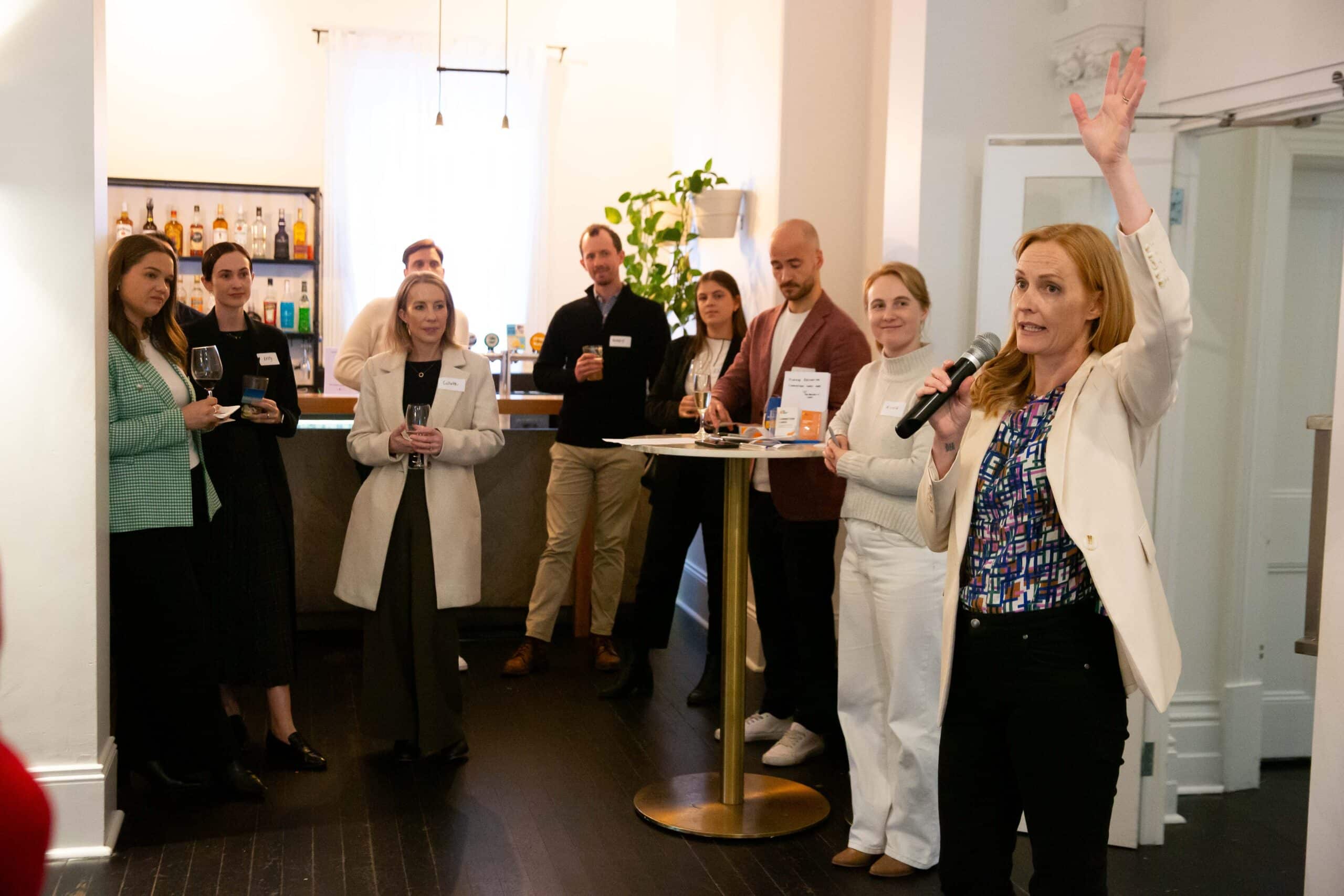
Last week’s Fruit for Thought live in Adelaide: “Wellbeing that works across sectors” brought together leaders from finance, correctional services, and sport to unpack that question we all need to sit with. From the…
14 Oct 2025 3 min read